
Continuous hydrocarbon gas monitoring, real-time data transmission, and expert remote oversight designed to improve safety, reduce field staffing demands, and support faster drilling decisions.
Reliable gas monitoring is essential for understanding hydrocarbon response, recognizing formation changes, and identifying conditions that may affect drilling safety or well performance.
Selman Geo Services provides professional Remotely Monitored Gas Logging Services that combine advanced wellsite instrumentation with secure, real-time data transmission and experienced geological oversight.
This approach allows operators to maintain continuous visibility into gas levels and drilling conditions while reducing the number of personnel required at the wellsite. Your field and office teams receive timely updates that support faster decisions, better communication, and more efficient operations.
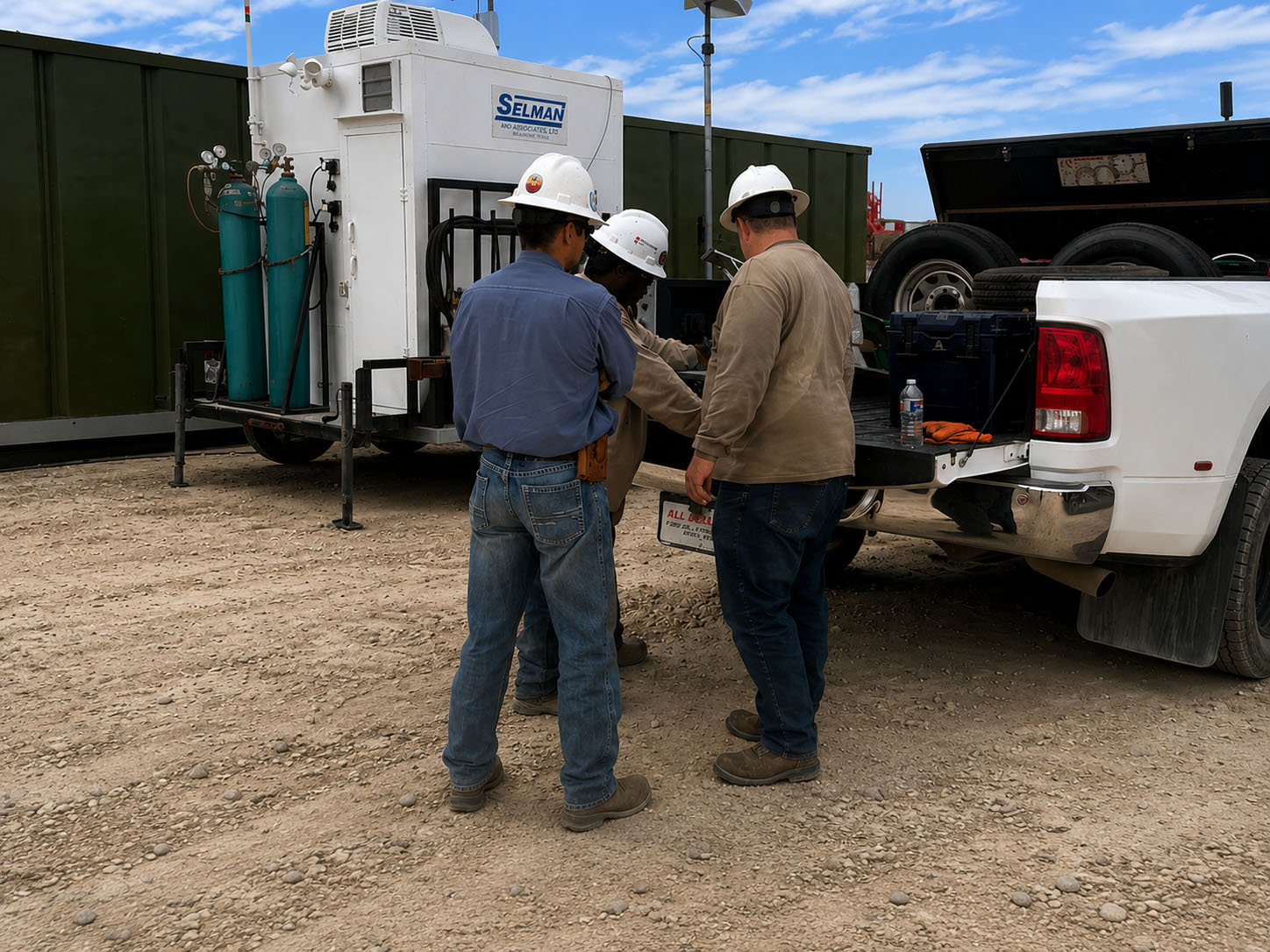
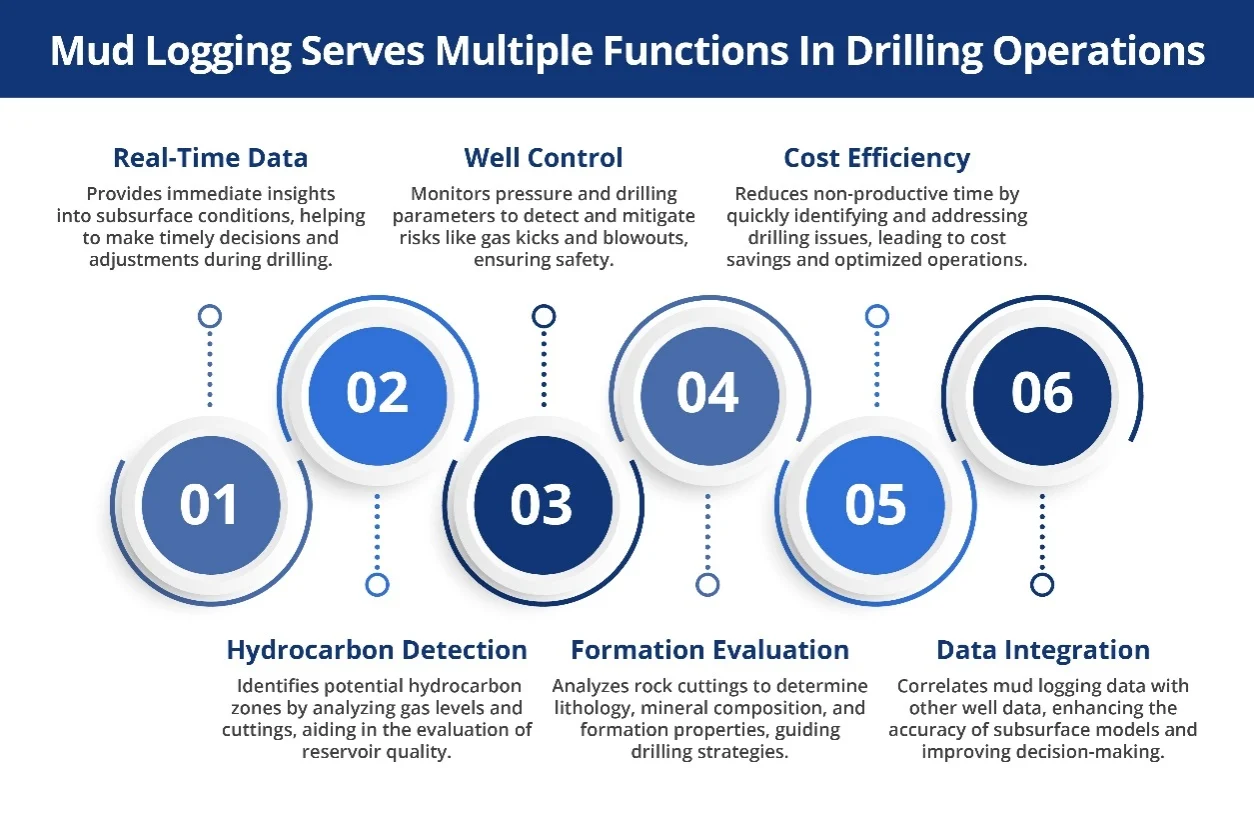
Remote gas logging is the continuous measurement and transmission of hydrocarbon gas data from the wellsite to qualified professionals working from another location. Gas detection equipment remains at the rig, while incoming readings are reviewed and interpreted in real time.
Unlike a basic automated system, professional Remote Gas Logging includes human oversight. Experienced personnel evaluate gas trends alongside available drilling information so operators receive useful interpretation rather than a stream of isolated numbers.
Traditional gas logging can require additional personnel and accommodations at the wellsite. Remote monitoring gives operators another option when project conditions, staffing goals, or cost controls make a reduced on-site footprint desirable.
Remote Gas Logging Services may help operators:
The result is a more flexible operating model without giving up access to critical wellsite information.
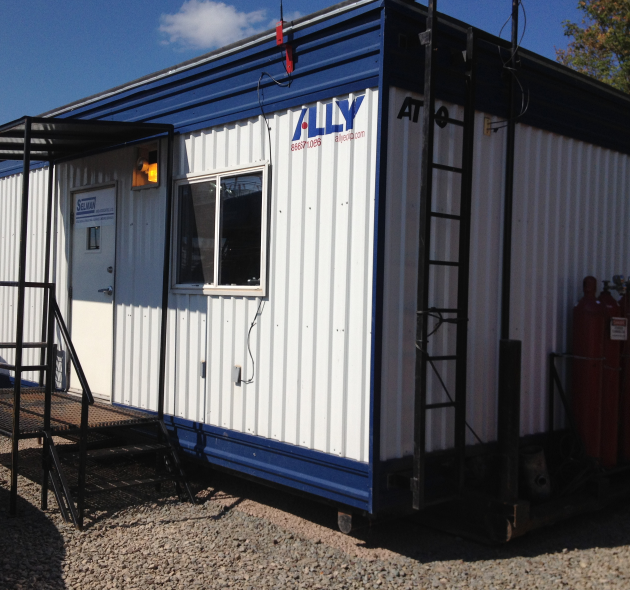
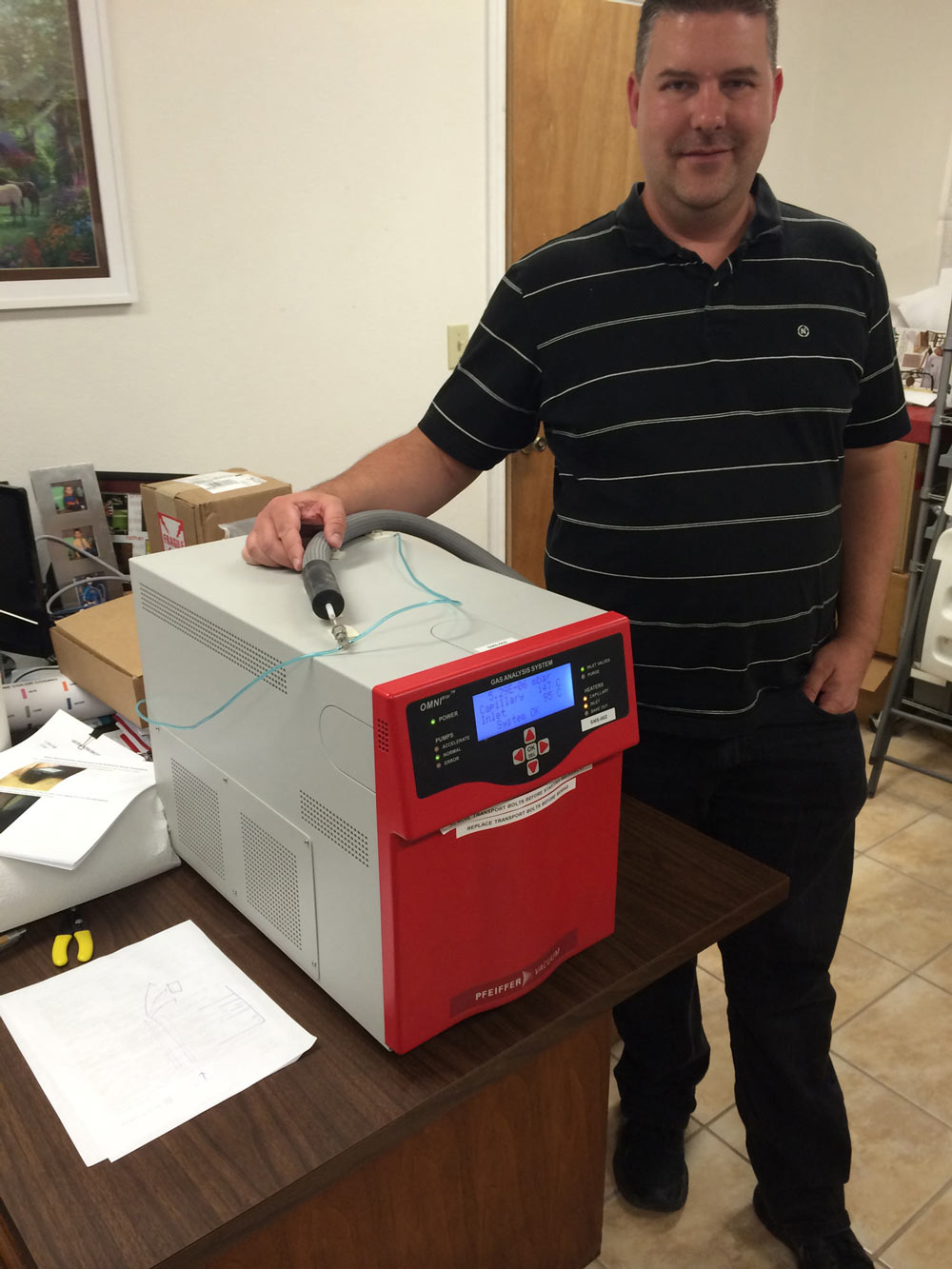
Accurate Hydrocarbon Gas Detection helps drilling teams identify gas-bearing formations, evaluate hydrocarbon response, and recognize unusual well conditions.
Selman’s gas-measurement instruments use Flame Ionization Detector (FID) technology for both Total Hydrocarbon Analysis and gas chromatography.
Depending on project requirements, gas monitoring may include:
Our remote team reviews how readings change over time and how those changes relate to formation, drilling activity, and other available well data.
Remote monitoring depends on dependable transmission and responsive interpretation. Selman Geo Services uses systems designed to move wellsite gas information to remote personnel so meaningful changes can be reviewed as the operation progresses.
The platform is built with industrial-automation-style sensors and actuators that allow our team to monitor platform health and correct or mitigate many issues remotely.
Our team can perform controlled remote tests to verify system integrity and help reduce the possibility of gas-data downtime. Automatic reporting is included with this service.
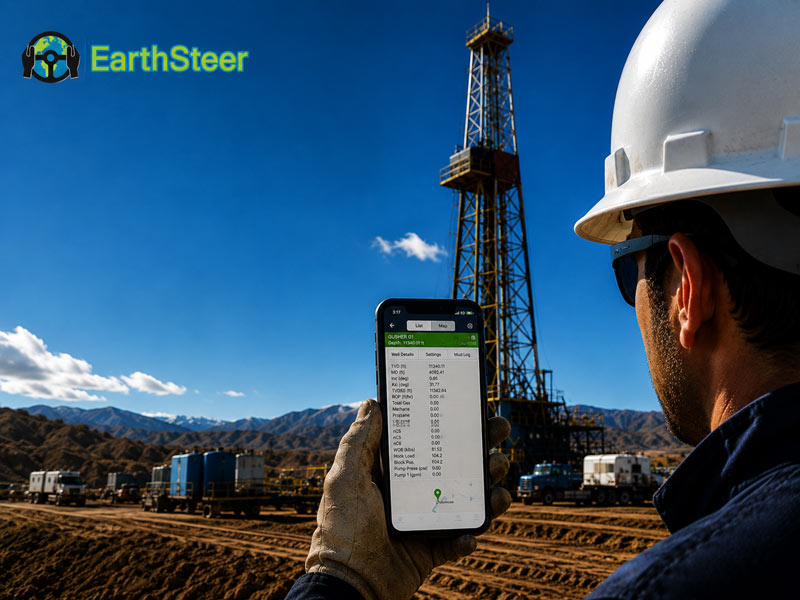
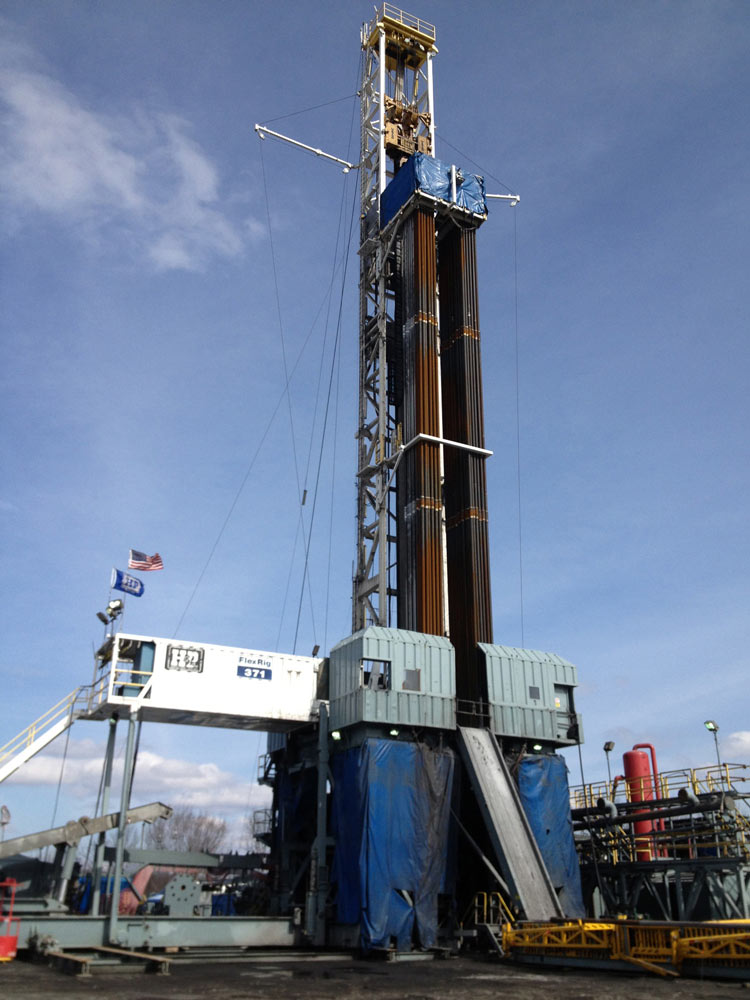
Gas readings become more valuable when they are interpreted with other operational information. Selman Geo Services can evaluate Real-Time Drilling Data alongside gas response to help distinguish geological changes from routine drilling events.
Relevant information may include:
Mud properties, lithology and formation information, and operational notes from the rig are available upon client request with this service.
This broader context supports more reliable interpretation and gives the project team a clearer understanding of what is occurring downhole.
Unexpected gas behavior can be an important indicator of changing well conditions. Continuous monitoring helps identify abnormal trends early enough for the appropriate personnel to evaluate the situation.
Remote gas logging can help draw attention to:
Remote monitoring does not replace well-control procedures or the responsibilities of the drilling team. It provides an additional stream of timely information that can support safer operational awareness.
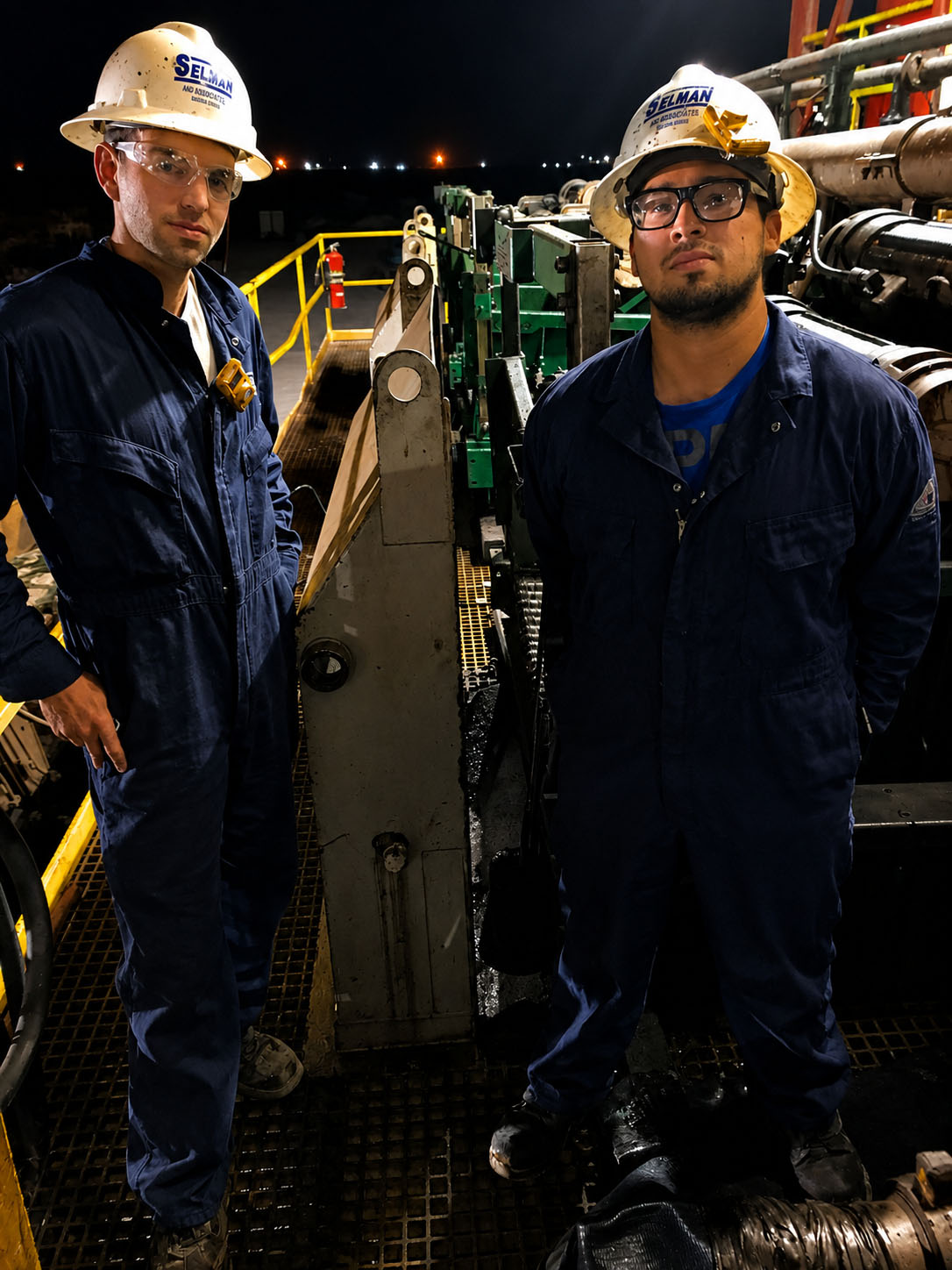
Reducing the on-site personnel requirement can lower costs associated with travel, housing, transportation, and field logistics. It can also simplify operations in locations where space or accommodations are limited.
Because data can be reviewed from a centralized location, remote personnel may also support multiple operations more efficiently while maintaining consistent monitoring practices.
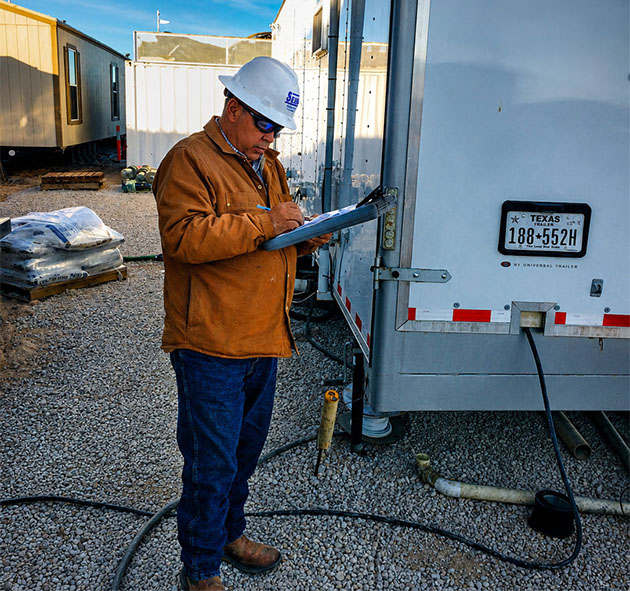
Automated alarms can identify when a reading crosses a predetermined threshold, but they do not always explain why the change occurred or whether it is geologically meaningful.
Selman Geo Services combines technology with experienced oversight. Our professionals review gas trends, drilling activity, and available geological information to determine when a change deserves attention.
This human interpretation helps reduce unnecessary alarm fatigue while improving the likelihood that meaningful changes are communicated promptly and clearly.
Remote reporting helps engineers, geologists, drilling supervisors, and management access the same current information. When meaningful changes occur, our team communicates the relevant observation and context so the appropriate decision-makers can evaluate the next step.
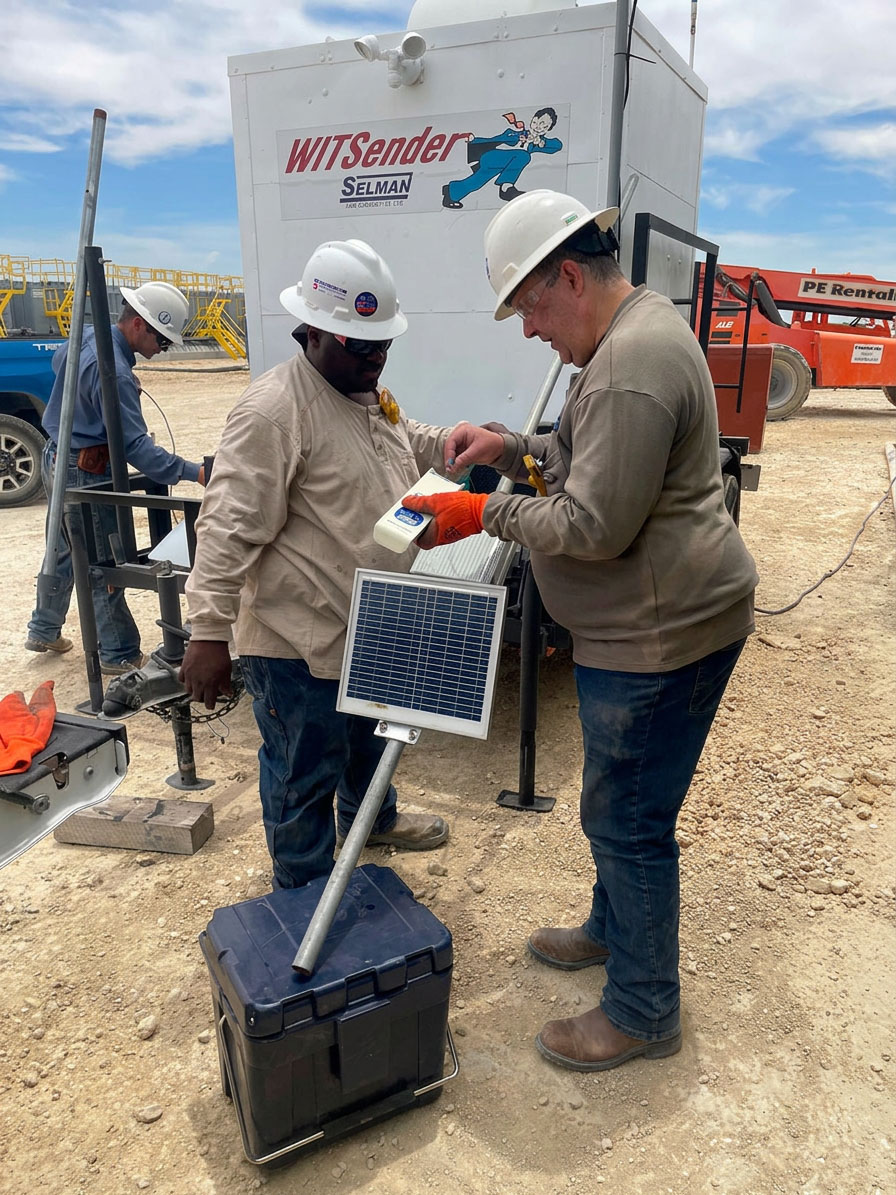
Remote gas monitoring can be adapted to different project types, operating models, and reporting requirements.
Monitoring frequency, reporting procedures, communication protocols, and data requirements can be customized around the operator’s needs.
Selman Geo Services combines advanced gas-monitoring technology with practical geological and drilling experience. Our remote services are designed to provide dependable information, clear communication, and responsive support throughout the operation.
Our team understands that remote monitoring must be dependable, responsive, and connected to the realities of drilling operations. We provide more than software access-we provide experienced oversight and practical support.
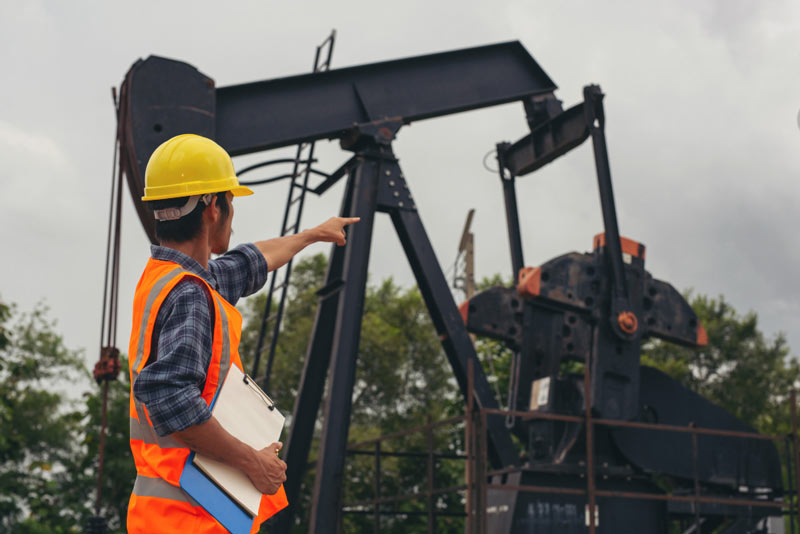
They combine wellsite gas-detection equipment, real-time data transmission, and remote professional oversight to monitor hydrocarbon gas levels during drilling.
No. Required rig and safety personnel remain on site. Remote gas logging can reduce the need for dedicated gas-monitoring personnel to be physically present at the well.
Monitoring may include total gas, background gas, connection gas, trip gas, gas chromatography, hydrocarbon composition, and gas trends by depth.
Gas readings are transmitted from wellsite equipment to authorized remote personnel and may also be made available to designated field and office team members.
Yes. Depending on project requirements and system capacity, centralized remote monitoring can support multiple drilling operations.
Our Service Areas
Selman Geo Services provides professional mud logging and geological services across key oil and gas basins in the United States.
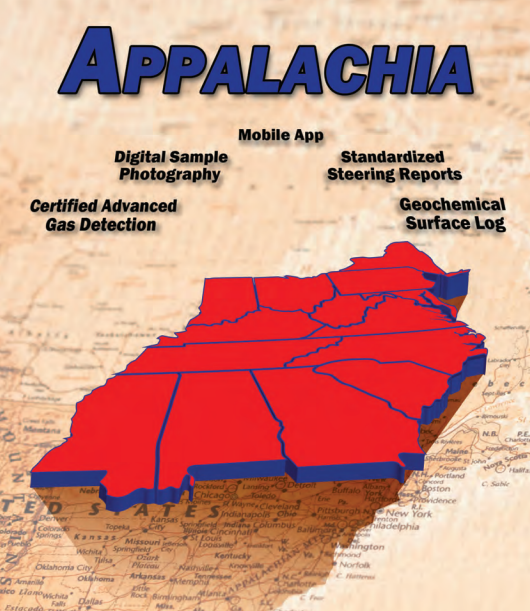
Comprehensive mud logging and geological services throughout the Appalachian Basin, delivering real-time data and accurate formation analysis.
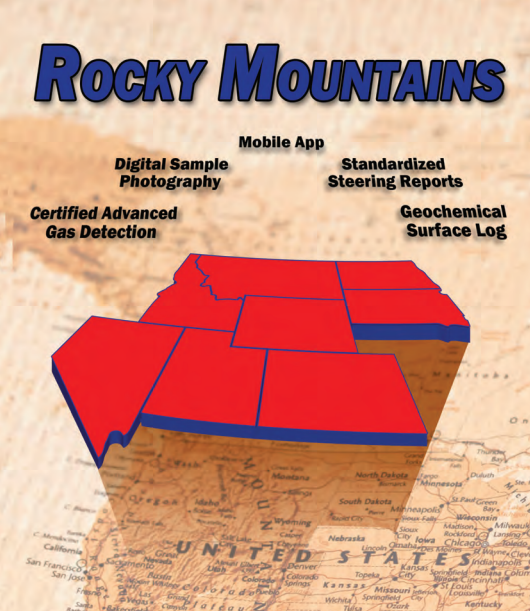
Serving the Rocky Mountain region with advanced geological insights and mud logging expertise to support complex drilling operations.
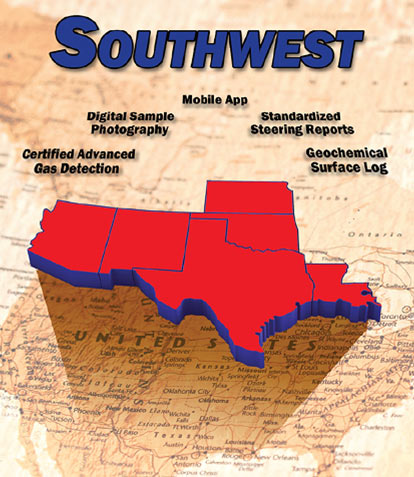
Delivering reliable mud logging and geological services across the Southwest with a focus on safety, accuracy, and efficiency.
Our teams are strategically located to deliver real-time data, expert insights, and responsive support across the regions we serve.
Maintain continuous gas-data visibility, reduce field staffing demands, and give your team timely information for safer, more efficient drilling decisions.


